
Flies in Your Mountain Home This Time of Year: What They Are and How to Get Rid of Them
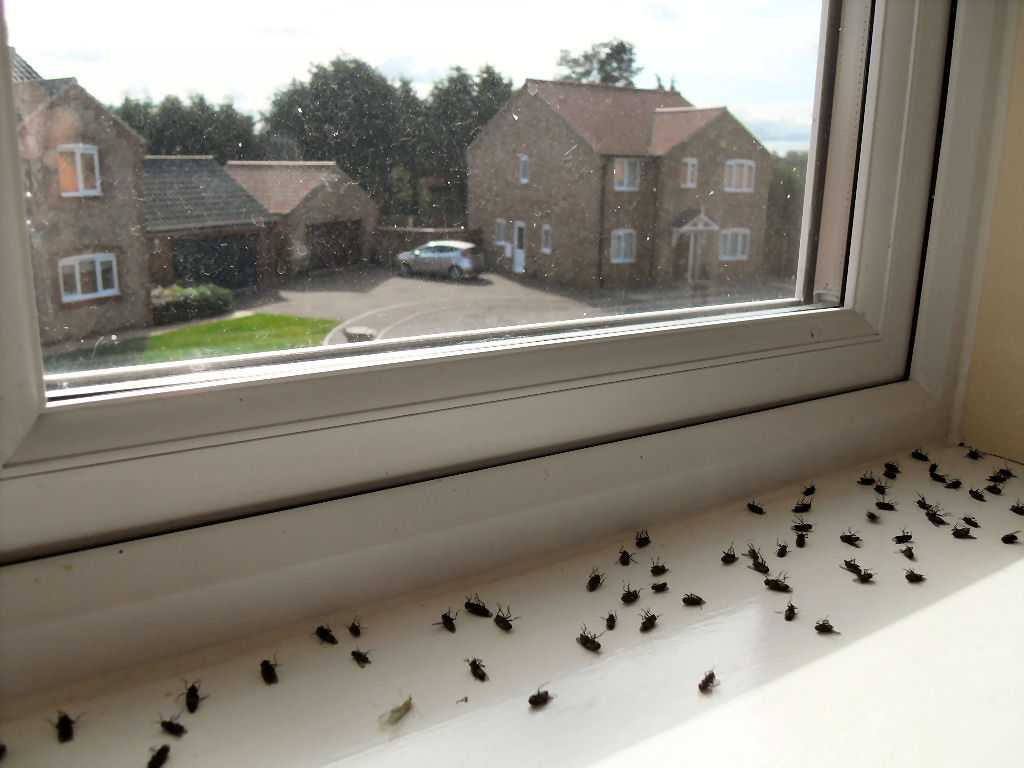
In Central Colorado mountain homes, flies seen indoors in late spring are usually one of two species: cluster flies (Pollenia), which overwintered in attics and wall voids and are emerging on warm days, or common house flies (Musca domestica) entering through open doors and windows. They look similar but require different control approaches.
Flies in Your Mountain Home This Time of Year: What They Are and How to Get Rid of Them
If you've started seeing flies inside your home in Woodland Park, Divide, Fairplay, Buena Vista, or anywhere across Central Colorado's mountain country this past week or two, there are almost certainly two different species at play, and they need different responses. One has been living inside your walls all winter. The other is walking in through the screen door you propped open because it's finally warm enough. Identifying which one you have is the difference between an effective fix and wasted money.
What this post covers:
- The two fly species mountain homes see most in late spring
- A quick visual ID so you know which one you're dealing with
- Why higher-elevation Colorado homes are uniquely prone to cluster flies
- What actually works for each (and what doesn't)
- When a professional inspection is worth the call
Why Are There Suddenly So Many Flies in My House?
Because it's late May in mountain Colorado, and two completely different fly stories are happening at the same time. Cluster flies that have been overwintering in your attic, soffits, or wall voids since fall are waking up and stumbling into your living spaces on warm sunny days. At the same time, common house flies are starting to breed outdoors and find their way inside through every open door and window, which, in mountain homes without central air, is most of them, most of the day.
Most homeowners assume any indoor fly is a house fly. In Central Colorado, that's often wrong, and it's why a lot of DIY fly control fails.
Cluster Fly or House Fly? Here's How to Tell
The fly inside your home is almost certainly one of these two. The differences are subtle but important.
| Feature | Cluster fly (Pollenia spp.) | House fly (Musca domestica) |
|---|---|---|
| Size | Slightly larger, around 3/8 inch | About 1/4 inch |
| Color | Dark gray, non-metallic, with short golden hairs on the thorax | Gray with four dark stripes on the thorax, often some yellow on the sides |
| Behavior | Sluggish, clumsy, often crashes into windows and lights | Fast, alert, hard to swat, lands on food and surfaces constantly |
| Where you find them | Sunny windows, attics, upper floors, often in unused rooms | Kitchens, around garbage, near pet food, on counters |
| Wings at rest | Overlap across the back | Held apart in a slight V |
| When most active indoors | Warm days in fall, late winter, and spring | Late spring through fall, especially summer |
| Where they came from | Overwintered inside your home | Came in through an opening today |
If the flies you're seeing are slow, dazed, and mostly bumbling against sunny windows in your upstairs rooms or attic, those are cluster flies. If they're quick, aggressive, and showing up around food and trash, those are house flies.
Why Mountain Homes Get Cluster Flies More Than Front Range Homes
This is one of the few places mountain elevation actually works against you. According to Colorado State University Extension, cluster flies are often the most common fly found in homes during the cool months and are particularly abundant in higher elevation areas of the state.
The life cycle explains why. Cluster fly larvae develop as parasites inside earthworms in soil. Homes surrounded by open ground, meadow, or pasture, exactly the setting of most Teller, Park, and Chaffee County properties, produce more cluster flies than tightly developed suburban lots. In late summer and early fall, adult flies look for sheltered, warm spots to overwinter. South- and west-facing walls of mountain homes warm up beautifully in the afternoon sun, and the flies push in through tiny gaps in fascia, soffits, log seams, dormer joints, ridge vents, and any other opening they can find.
Once inside, cluster flies normally remain inactive, resting in cavities behind walls in large groups. Some become active during warm periods and incidentally wander into living areas, where they may be seen flying lazily about a room. Cluster flies do not feed or reproduce inside buildings, and those that move out from their sheltered sites behind walls usually die within a couple of weeks.
When our techs inspect a mountain home for fly issues in spring, we're not looking for breeding sites inside. We're looking at the outside: the gaps under the eaves, the loose siding, the unscreened attic vent, the dormer flashing, because that's where next fall's population is going to enter.
Why House Flies Show Up in Mountain Homes Without AC
This is the simpler one. Most mountain Colorado homes don't have central air conditioning because the climate doesn't justify it. By late May, daytime temperatures are warm enough that homeowners are running fans, opening windows, propping the back door open while doing yard work, leaving the slider cracked overnight. Every one of those openings is a house fly invitation.
House flies (Musca domestica) breed outdoors in any moist organic matter: animal manure, compost piles, garbage cans, pet waste in the yard, decaying vegetation. Mountain properties with chickens, horses, dogs, or any livestock generate the conditions house flies love. So do unmanaged compost piles, garbage cans without tight-fitting lids, and forgotten pet waste behind the woodshed.
Once they're inside, house flies are looking for food, moisture, and warm surfaces. They breed quickly. A single female lays hundreds of eggs over her lifetime, and the egg-to-adult cycle can be as short as a week in summer conditions. That's why a small house fly problem can become a major one in days if there's a breeding source you haven't found.
What Actually Works for Cluster Flies
The single most effective thing you can do for cluster flies is exclusion in late summer, before they enter for the winter. Once they're already inside the walls in May, your options are limited.
For cluster flies you're seeing right now (spring):
- Vacuum them up as they appear. They're slow, they're dying anyway, and a quick pass with a vacuum is the right tool.
- Do not spray inside walls. Pesticide treatment of wall voids to kill cluster flies is generally ineffective and can create a secondary problem with carpet beetles and other scavengers feeding on the dead flies.
- Leave the windows in unused upper rooms cracked during warm afternoons so the flies that have woken up can leave on their own. They want out as much as you want them out.
For cluster flies long-term (the real fix):
- Inspect the exterior of the home in August or early September, before the flies start looking for entry points.
- Seal gaps in fascia and soffit boards, around dormer windows, where siding meets trim, around ridge vents and attic vents, and at every utility penetration.
- Install or repair screens on attic vents and gable vents.
- Caulk every gap larger than 1/8 inch on the upper half of the home, especially on the south- and west-facing walls where the flies cluster in afternoon sun.
This is the same exclusion work that keeps mice and other overwintering pests out, which is why a fall inspection on a mountain home pays back in multiple ways.
What Actually Works for House Flies
House flies are a hygiene and exclusion problem first, a chemical problem last. Sanitation, the removal of breeding sites, is the most important method of long-term fly control. Most house flies develop near homes in association with garbage and pet wastes, or with livestock manure.
Sanitation first:
- Empty kitchen trash daily during warm weather, and use lined bins with tight lids.
- Keep outdoor garbage cans tightly sealed and stored away from doors.
- Pick up pet waste in the yard at least every few days. Three days of dog waste in a fenced yard is more than enough breeding habitat to produce a noticeable fly population.
- Compost piles need to be properly managed: turned regularly, kept covered, not used as a dumping ground for kitchen scraps with no cover material.
- For homes with chickens or livestock, clean manure regularly and consider beneficial parasitic wasps (fly predators) as part of an Integrated Pest Management approach.
Exclusion second:
- Repair torn window and door screens before opening season really hits.
- Install screen doors on entries you keep open during the day.
- Check the seal around door sweeps, garage doors, and basement walkout doors. Flies will find any gap larger than 1/4 inch.
- Use fans at entry points. Flies struggle against directed airflow.
Trapping and chemical, last:
- UV light traps work well in garages, mudrooms, and three-season porches. They are not appropriate for living spaces or kitchens.
- Sticky fly ribbons are old technology that still works in barns, garages, and storage buildings.
- Outdoor perimeter sprays are sometimes appropriate around dumpsters, kennels, or barns. They are rarely the right answer for a household kitchen fly problem.
What Doesn't Work
A few popular DIY approaches that come up on every "how to get rid of flies" search and don't actually solve the problem:
- Bowls of vinegar. These attract fruit flies, not house flies or cluster flies. If your trap is catching small flies hovering around overripe bananas, those are vinegar flies, a completely different species, and a different post.
- Indoor foggers and bug bombs. Will kill flies present at the moment of release, will do nothing about the breeding source outside or the overwintering population in the wall voids, and will expose your family and pets to insecticide for no lasting benefit.
- Aerosol sprays at the window. Same problem as foggers. Cluster flies are emerging from inside the wall, and house flies are arriving from outside. Killing what's in front of you right now does not stop the next wave.
- Essential oil sprays. Pleasant smell, no meaningful effect on fly populations.
When Is It Time to Call a Pest Control Company?
For mountain homes, the honest answer is: most spring fly problems don't need a pest control call. They need a vacuum, a screen repair, and a sanitation review. The exceptions:
- Heavy cluster fly populations year after year. If you're vacuuming dozens of flies daily in spring, the structural entry points are significant and an exterior exclusion assessment is worth doing. Best timing for that work is August before the next wave arrives.
- House flies that won't quit despite good sanitation. That usually means there's a breeding source you haven't found, a dead rodent in a wall void, a forgotten garbage can, a drain issue, standing water somewhere in the basement or crawl space. An inspection finds it.
- Commercial properties. Restaurants, lodges, short-term rentals, and any food-service operation in mountain Colorado has health and reputation reasons to keep fly populations down to near zero. That requires ongoing IPM, not seasonal DIY.
- You're seeing flies in unusual numbers in winter. Indoor breeding (rare but possible) or a large overwintering colony of cluster flies warrants an inspection.
Frequently Asked Questions
Why do I have so many flies in my house in spring if I haven't left any food out?
Because they're probably cluster flies, not house flies. Cluster flies overwintered in your attic or wall voids since last fall and are now waking up on warm days and stumbling into living areas through gaps around windows, light fixtures, and electrical outlets. They don't need a food source inside because they're not feeding or breeding, just looking for a way back outside. Vacuuming is the right short-term response. Exterior sealing in late summer is the long-term fix.
Are cluster flies dangerous?
No. Cluster flies do not harm people or property, although they can be a nuisance when large numbers are present. They don't bite, they don't carry disease the way that house flies can, and they don't damage structures. They are purely a nuisance pest, but a significant one when populations are high.
Why are there so many flies in my cabin or vacation home but not my neighbor's primary residence?
Cabins and seasonally used homes are ideal cluster fly habitat. They're typically quieter, less disturbed, often surrounded by more open ground, and the windows aren't being opened daily in fall to release accumulating flies before they settle into the walls. By the time you arrive in spring, weeks of warm afternoons have woken up the entire overwintering population. The same building characteristics that make cabins appealing, south-facing exposures, log construction with natural seams, deep eaves, also make them ideal cluster fly shelters.
Will sealing my house in spring stop cluster flies?
It won't help with the ones already inside. They're already in the wall voids, behind you in the timeline. Spring sealing also risks trapping live flies inside the walls, which can lead to bigger nuisance issues as they try to escape. The right time for cluster fly exclusion work is late July through mid-September, before the flies arrive for the winter. If you're being overwhelmed right now, focus on vacuuming and ventilation, and put the exterior sealing on the calendar for August.
Are these the same flies I see swarming around windows in fall?
Yes, almost certainly. Cluster flies have two distinctive seasonal appearances inside homes: a fall arrival as they push in to overwinter, and a spring re-emergence as they try to get back out. Same flies, same colony, six months apart.
The Short Version
In Central Colorado's mountain communities, late-spring flies inside the home are either cluster flies (sluggish, in upstairs rooms and windows, here since fall, just trying to get out) or house flies (fast, around food and trash, walking in through your open doors and windows). The fixes are different. For cluster flies, vacuum now and seal the exterior in August. For house flies, fix the sanitation issues and the screens. Skip the foggers either way.
If you're seeing fly numbers that don't match the seasonal norm, or you suspect a breeding source you can't locate, that's when an inspection earns its cost. Chaney Pest Elimination serves Teller, Park, Chaffee, and El Paso Counties. Call 719-650-0246 to schedule.
Source: Colorado State University Extension: Flies in the Home
Need help with a pest problem?
Free quotes throughout Colorado Springs, Teller County, and the mountain communities.