
Bed Bugs Control
Bed bugs are tough — they hide in the smallest seams, multiply quickly, and almost always require professional treatment. Every infestation is different, so we tailor an approach to your situation. Give us a call and we'll walk you through what to expect.
Quick answer
How do you actually get rid of bed bugs?
Professional treatment is the only proven way to fully eliminate bed bugs. We combine targeted residual chemicals with high heat (around 135°F) to kill adults, nymphs, and eggs that DIY sprays cannot penetrate, then re-inspect at 14 days to confirm.
How to identify bed bugs
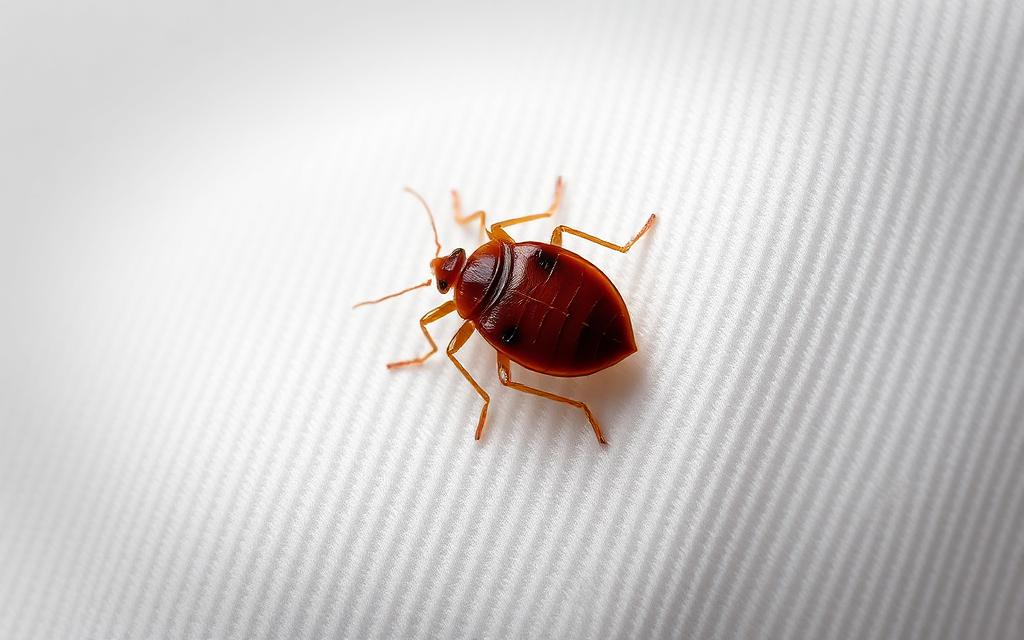
Adult bed bugs are reddish-brown, flat, oval, and about the size of an apple seed (4–5 mm). After feeding they swell and turn darker red. Nymphs are smaller and translucent until their first blood meal. Eggs are pinhead-sized, pale white, and often glued in clusters in mattress seams, behind headboards, or inside electrical outlets.
Behavior & life cycle
Bed bugs feed exclusively on blood, usually at night while you sleep. They don't fly or jump but spread easily on luggage, used furniture, and clothing. A single fertilized female can lay 200–500 eggs in her lifetime, which is why a small introduction can become a full infestation in 2–3 months.
Health & property risks
Bed bugs are not known to transmit disease, but bites can cause itchy welts, allergic reactions, secondary skin infections from scratching, and significant sleep loss and anxiety. The CDC and EPA both classify bed bugs as a public-health pest for these reasons.
Signs you may have a bed bugs problem
- Reddish-brown fecal spots on mattress seams or box springs
- Rust-colored blood stains on sheets
- Tiny pale-yellow eggs or shed skins in cracks
- Itchy red welts in a line on arms, legs, or back
- A faint, sweet, musty odor in heavily infested rooms
Prevention tips
- Inspect hotel mattresses and luggage racks before unpacking when traveling
- Run used clothing and soft goods on high heat for 30+ minutes before bringing them inside
- Avoid bringing curbside furniture into the home — it's a leading source
- Use a mattress and box-spring encasement after treatment to prevent reintroduction
Frequently asked questions
What are the first signs of bed bugs?+
Small reddish-brown fecal spots on your mattress, rust-colored blood stains on sheets, tiny pale-yellow eggs in seams, and itchy red welts on your skin — often appearing in a line.
Can I get rid of bed bugs myself?+
Home remedies rarely work because most products cannot kill bed bug eggs. Professional treatment combining specific chemicals with heat (~135°F) is the only reliable way to eradicate adults and eggs together.
How long does bed bug treatment take?+
Most single-unit treatments take 2–4 hours. You and any pets must stay out of the home for at least 4 hours after we finish so the residual fully sets.
Do I need to throw out my mattress?+
Almost never. Treated mattresses and box springs can be encased and safely kept. We'll tell you on-site if any item is beyond saving.
How did I get bed bugs?+
The most common sources are travel (hotel rooms, airbnbs), used furniture, and visitors who unknowingly brought them on luggage or clothing. Bed bugs are not a sign of a dirty home — they hitchhike anywhere people sleep.
Ready for a quote?
Tell us about the problem — we'll get back within one business day.